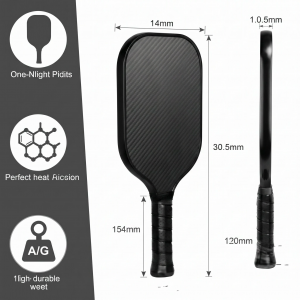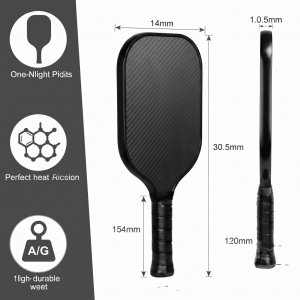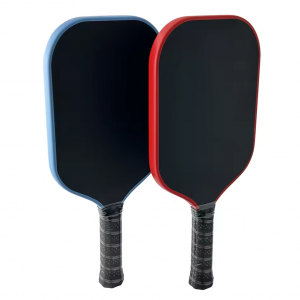



ଶିଖର ର୍ୟାକେଟ୍ ମୁଖ୍ୟ ସାମଗ୍ରୀଗୁଡିକ ବ୍ୟାଖ୍ୟା କରାଯାଇଛି (ମୂଳରୁ ପୃଷ୍ଠ ପର୍ଯ୍ୟନ୍ତ)

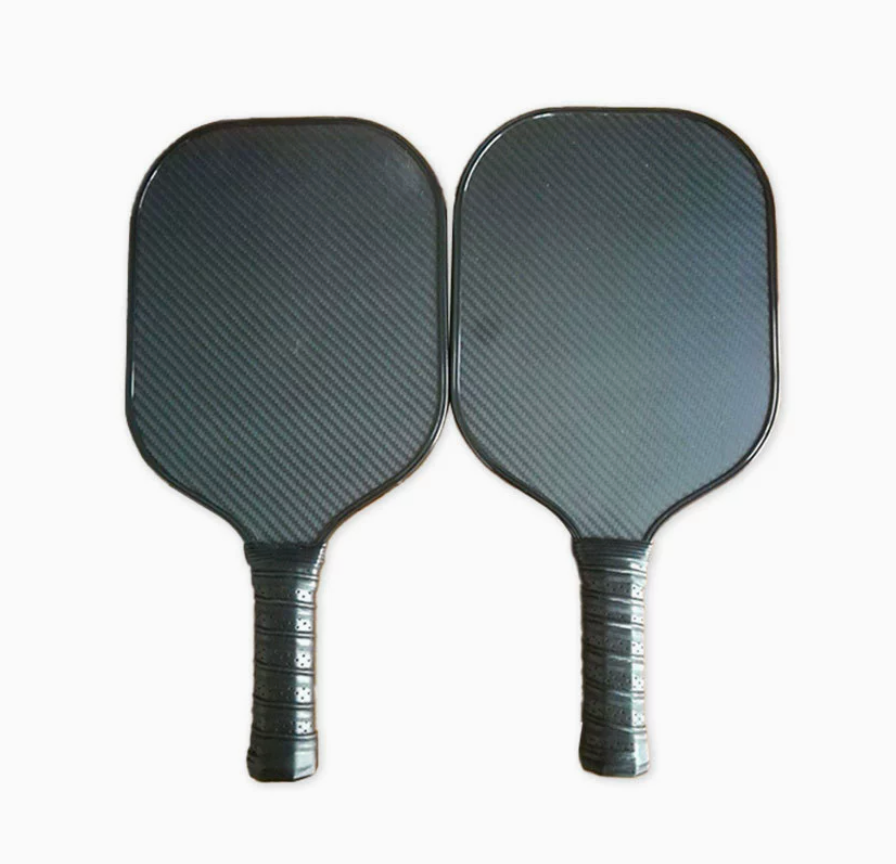
ଆଧୁନିକ ପାଇକ ର୍ୟାକେଟଗୁଡିକ ସାଧାରଣତ multiple ଏକାଧିକ ସାମଗ୍ରୀର କମ୍ପୋଜିଟ୍ ଅଟେ, କାର୍ଯ୍ୟକ୍ଷମ ଭାବରେ ମୂଳ ସାମଗ୍ରୀ ଏବଂ ପୃଷ୍ଠଭୂମି / ବାହ୍ୟ ସ୍ତର ସାମଗ୍ରୀରେ ବର୍ଗୀକୃତ |
1। ମୂଳ ସାମଗ୍ରୀ (ର୍ୟାକେଟର "ଅନୁଭବ" ଏବଂ "ଶକ୍ତି" ନିର୍ଣ୍ଣୟ କର)
ଏହା ହେଉଛି ର୍ୟାକେଟର ମୋଟା ମଧ୍ୟମ ସ୍ତରର ମୁଖ୍ୟ ସାମଗ୍ରୀ, ଶଟ୍ର “ଅନୁଭବ” କୁ ସିଧାସଳଖ ପ୍ରଭାବିତ କରିଥାଏ |
ପଲିମର: ସବୁଠାରୁ ସାଧାରଣ ଏବଂ ଅର୍ଥନ core ତିକ ମୂଳ ପଦାର୍ଥ | ଏକ ଭଲ ଅନୁଭବ ଏବଂ ଉପଯୁକ୍ତ ଶକ୍ ଅବଶୋଷଣ ପ୍ରଦାନ କରେ, କିନ୍ତୁ ଏକ ଶବ୍ଦ ସହିତ | ପ୍ରବେଶ-ସ୍ତର ଏବଂ ମନୋର re ୍ଜନ ର୍ୟାକେଟ୍ ପାଇଁ ଏକ ଶୀର୍ଷ ପସନ୍ଦ |
ନୋମେକ୍ସ (ଆରାମିଡ୍ ମହୁଫେଣା): ଏକ ହାଲୁକା ମହୁଫେଣା ସାମଗ୍ରୀ, ବହୁତ କଠିନ ଏବଂ ପ୍ରତିକ୍ରିୟାଶୀଳ | ଅଧିକ ଶକ୍ତି ଏବଂ ଏକ ଉଚ୍ଚ ସ୍ୱର ଉତ୍ପାଦନ କରେ, କିନ୍ତୁ ଏକ "କଠିନ" ଅନୁଭବ ଏବଂ ସାମାନ୍ୟ କମ୍ ନିୟନ୍ତ୍ରଣ ସହିତ | ସାଧାରଣତ mid ମଧ୍ୟମରୁ ଉଚ୍ଚ-ଶେଷ ରାକେଟରେ ମିଳିଥାଏ ଯାହା ଶକ୍ତିକୁ ପ୍ରାଧାନ୍ୟ ଦେଇଥାଏ |
ଆଲୁମିନିୟମ୍: ମୁଖ୍ୟତ entry ପ୍ରବେଶ-ସ୍ତର, ଶସ୍ତା ର୍ୟାକେଟରେ ବ୍ୟବହୃତ | ହାଲୁକା କିନ୍ତୁ ହାରାହାରି ଶକ୍ତି ସହିତ, ବିକଳାଙ୍ଗ ପ୍ରବୃତ୍ତି ଏବଂ ଏକ ନିମ୍ନ କାର୍ଯ୍ୟଦକ୍ଷତା ଛାତ |
1। ଫୋମ୍ ଏବଂ ଅନ୍ୟାନ୍ୟ କମ୍ପୋଜିଟ୍ ଫୋମ୍: ଉଦୀୟମାନ ଉଚ୍ଚ-ଶେଷ ମୂଳ ସାମଗ୍ରୀ | ବିଭିନ୍ନ ଘନତ୍ୱର ଫୋମ୍ ମିଶ୍ରଣ କରି ଶକ୍ତି, ନିୟନ୍ତ୍ରଣ ଏବଂ ଅନୁଭବର ଏକ ଉତ୍କୃଷ୍ଟ ସନ୍ତୁଳନ ହାସଲ କରାଯାଇପାରେ | ସାଧାରଣତ top ଶୀର୍ଷ ସ୍ତରର ବୃତ୍ତିଗତ କିମ୍ବା ଫ୍ଲାଗସିପ୍ ମଡେଲଗୁଡିକରେ ବ୍ୟବହୃତ ହୁଏ |
2। ବାହ୍ୟ / ସରଫେସ୍ ସାମଗ୍ରୀ (ର୍ୟାକେଟର “କାର୍ଯ୍ୟଦକ୍ଷତା” ଏବଂ “ସ୍ଥାୟୀତ୍ୱ” ନିର୍ଣ୍ଣୟ କରନ୍ତୁ): ଏହା ହେଉଛି ପତଳା ସ୍ତର, ବଲ୍ ସହିତ ସିଧାସଳଖ ଯୋଗାଯୋଗରେ, ଏବଂ ସ୍ପିନ୍, ନିୟନ୍ତ୍ରଣ ଏବଂ ଶକ୍ତି ଉପରେ ଏହାର ସର୍ବାଧିକ ପ୍ରଭାବ ପଡିଥାଏ |
କାର୍ବନ ଫାଇବର: ସମ୍ପ୍ରତି ହାଇ-ଏଣ୍ଡ ବଜାରରେ ସଂପୂର୍ଣ୍ଣ ମୁଖ୍ୟ ସ୍ରୋତ ଏବଂ ମାନଦଣ୍ଡ | ବ acter ଶିଷ୍ଟ୍ୟଗୁଡିକ: ହାଲୁକା, ଉଚ୍ଚ ଶକ୍ତି, ଏବଂ ଯଥେଷ୍ଟ ଦୃ id ତା | ଉତ୍କୃଷ୍ଟ ଶକ୍ତି ସ୍ଥାନାନ୍ତର, ସଠିକ୍ ନିୟନ୍ତ୍ରଣ, ଏବଂ ଉତ୍କୃଷ୍ଟ "ଅନୁଭବ ମତାମତ" ପ୍ରଦାନ କରେ | ଭୂପୃଷ୍ଠରେ ସାଧାରଣତ a ଏକ କାର୍ବନ ଫାଇବର ଗଠନ ଥାଏ, ଯାହା ଘର୍ଷଣ ବୃଦ୍ଧି ଏବଂ ସ୍ପିନ୍ ବ enhance ାଇବାରେ ସାହାଯ୍ୟ କରେ |
ଫାଇବର ଗ୍ଲାସ୍: କାର୍ବନ ଫାଇବର ଅପେକ୍ଷା ଅଧିକ ନମନୀୟ ଏବଂ ସ୍ଥିର | ଭଲ ଶକ୍ ଅବଶୋଷଣ ସହିତ ଏକ ବୃହତ "ମିଠା ସ୍ପଟ୍" ଏବଂ ଏକ କୋମଳ ଅନୁଭବ ପ୍ରଦାନ କରେ, କିନ୍ତୁ ଶକ୍ତି ସ୍ଥାନାନ୍ତର ଏବଂ ଦୃ id ତା ଅଙ୍ଗାରକାମ୍ଳ ଫାଇବର ପରି ଭଲ ନୁହେଁ | ଉଚ୍ଚ-କାର୍ଯ୍ୟଦକ୍ଷତା, ନିୟନ୍ତ୍ରଣ-ଆଧାରିତ ର୍ୟାକେଟ୍ ପାଇଁ ଏକ ସାଧାରଣ ପସନ୍ଦ |
ହାଇବ୍ରିଡ୍ ସାମଗ୍ରୀ: ଯେପରିକି କାର୍ବନ ଫାଇବର / ଫାଇବରଗ୍ଲାସ୍ ମିଶ୍ରଣ | ଡିଜାଇନ୍ ଉଭୟର ସୁବିଧାକୁ ଏକତ୍ର କରିବାକୁ ଲକ୍ଷ୍ୟ ରଖିଛି, ଯେପରିକି ଫ୍ରେମରେ ବର୍ଦ୍ଧିତ ଶକ୍ତି ପାଇଁ କାର୍ବନ ଫାଇବର ଏବଂ ହିଟ୍ ପୃଷ୍ଠରେ ମିଠା ସ୍ପଟ୍ ବିସ୍ତାର କରିବାକୁ ଗ୍ଲାସ୍ ଫାଇବର ବ୍ୟବହାର କରିବା | ଏହା ଏକ ଉତ୍ତମ ମାର୍କେଟିଂ ବିକ୍ରୟ ପଏଣ୍ଟ |
ଗ୍ରାଫାଇଟ୍: ପ୍ରାୟତ carbon ଅଙ୍ଗାରକାମ୍ଳ ଫାଇବର ସହିତ ଦ୍ୱନ୍ଦ୍ୱରେ ପଡିଥାଏ, କିନ୍ତୁ କଠୋର ଭାବରେ କହିବାକୁ ଗଲେ, ପ୍ରାରମ୍ଭିକ ର୍ୟାକେଟ୍ ଅଧିକ ଗ୍ରାଫାଇଟ୍ ବ୍ୟବହାର କରିଥିଲା, ସମାନ କାର୍ଯ୍ୟଦକ୍ଷତା ସହିତ କିନ୍ତୁ ଆଧୁନିକ କାର୍ବନ ଫାଇବର ତୁଳନାରେ ଉତ୍ପାଦନ ପ୍ରକ୍ରିୟାରେ ଏବଂ ଶକ୍ତିରେ କମ୍ ଅଟେ | ସମ୍ପ୍ରତି, "ଗ୍ରାଫାଇଟ୍" ନାମକ ରାକେଟ୍ ଗୁଡିକ ପ୍ରାୟତ mid ମଧ୍ୟମ ପରିସରର ଉତ୍ପାଦ |
ବଜାର ଧାରା:
ଏଣ୍ଟ୍ରି ସ୍ତର / ମନୋରଞ୍ଜନ: ପଲିମର କୋର + ଗ୍ଲାସ ଫାଇବର / ସାଧାରଣ ଗ୍ରାଫାଇଟ୍ ଭୂପୃଷ୍ଠ ସ୍ତର |
ମଧ୍ୟମ ପରିସର / ଉନ୍ନତ: ନୋମେକ୍ସ କିମ୍ବା ପ୍ରିମିୟମ୍ ପଲିମର କୋର + କାର୍ବନ ଫାଇବର ଭୂପୃଷ୍ଠ ସ୍ତର |
ଉଚ୍ଚ-ଶେଷ / ପ୍ରତିଯୋଗୀ: ଉନ୍ନତ ଫୋମ୍ କିମ୍ବା ନୋମେକ୍ସ କୋର + ଉଚ୍ଚ-ଗୁଣାତ୍ମକ କାର୍ବନ ଫାଇବର ଭୂପୃଷ୍ଠ ସ୍ତର, ବିଶୋଧିତ ଉତ୍ପାଦନ ପ୍ରକ୍ରିୟା ସହିତ (ଯେପରିକି ଅଣ-ପୋରସ୍ ଡିଜାଇନ୍ ଏବଂ ଧାର ପ୍ରଯୁକ୍ତିବିଦ୍ୟା) |
ଶିଖର ରାକେଟର ମୁଖ୍ୟ ପାରାମିଟରଗୁଡିକ:
ଓଜନ: ସାଧାରଣତ 190 190g-250g ମଧ୍ୟରେ | ହାଲୁକା ର୍ୟାକେଟ୍ (
220g) ଅଧିକ ଶକ୍ତି ଏବଂ ଉନ୍ନତ ସ୍ଥିରତା ପ୍ରଦାନ କରେ |
ରାକେଟ୍ ଚେହେରା ଆକୃତି: ମାନକ ଚଉଡା (ବୃହତ ମିଠା ସ୍ପଟ୍, ନୂତନମାନଙ୍କ ପାଇଁ ଉପଯୁକ୍ତ), ବିସ୍ତାରିତ (ବୃଦ୍ଧି ବୃଦ୍ଧି), ବ୍ଲେଡ୍ ଆକୃତି (ଶକ୍ତି ଏବଂ ଗତି ପାଇଁ) |
ମୋଟା: ସାଧାରଣତ 13 13mm-16mm | ମୋଟା ର୍ୟାକେଟ୍ ଅଧିକ ଶକ୍ତି ଉତ୍ପାଦନ କରୁଥିବାବେଳେ ପତଳା ର୍ୟାକେଟ୍ ଉନ୍ନତ ନିୟନ୍ତ୍ରଣ ଏବଂ ଚମତ୍କାରତା ପ୍ରଦାନ କରେ |
ବାଲାନ୍ସ ପଏଣ୍ଟ:
ମୁଣ୍ଡ-ଭାରୀ: ବୃହତ ଶକ୍ତି, ବୃହତ ସୁଇଙ୍ଗ୍ ନିଷ୍କ୍ରିୟତା |
ହେଡ୍-ଲାଇଟ୍ / ସନ୍ତୁଳିତ: ଭଲ ନିୟନ୍ତ୍ରଣ, ଜାଲରେ ତୀବ୍ର ପ୍ରତିକ୍ରିୟା ସମୟ |
ଗ୍ରିପ୍ ସାଇଜ୍: ସାଧାରଣ ପରିସରଗୁଡିକ ପ୍ରାୟ 10cm (4 ଇଞ୍ଚ) ଏବଂ 10.5cm (4.25 ଇଞ୍ଚ) ଅଟେ, ଯାହା ବିଭିନ୍ନ ହାତର ଆକାରକୁ ଯୋଗାଇଥାଏ |
ଗ୍ରିପ୍ ଚମଡା: ଶ୍ୱାସକ୍ରିୟା, at ାଳ-ୱିକିଙ୍ଗ୍ ଏବଂ ସ୍ଲିପ୍-ପ୍ରତିରୋଧୀ |